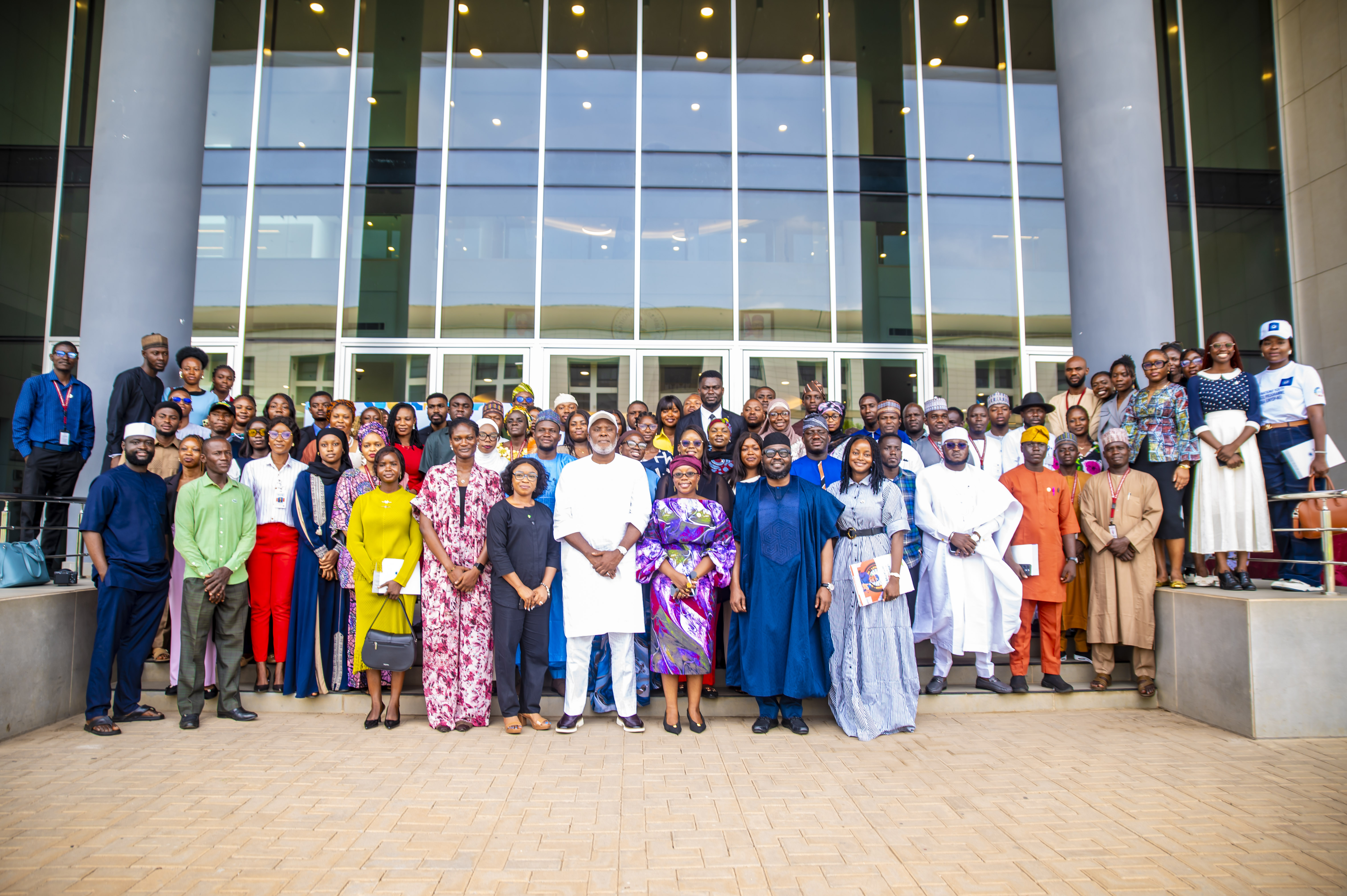
On 6 May 2026, the Legislative Mentorship Initiative (LMI) of the Conference of Speakers and Presidents of African Legislatures (CoSPAL), in partnership with the National Assembly Library Trust Fund (NALTF), the Federal Ministry of Youth Development, the Nigerian Youth Parliament, Abuja Global Shapers and other stakeholders, convened the National Youth Dialogue on the National Youth Policy in Abuja.
The dialogue was designed to move beyond consultation and create a structured platform where young people, policymakers, legislators, governance experts and civil society could engage directly on the future of youth development in Nigeria. At its core were three questions: How can the National Youth Policy become actionable for young people? How can young people move from being consulted to shaping outcomes? And how can accountability mechanisms ensure that policy commitments deliver results?
Turning Youth Voices into Policy Recommendations
The dialogue responded to a critical gap in Nigeria’s youth development landscape: the distance between policy ambition and implementation. Participants emphasised that the success of the revised National Youth Policy would depend on effective financing, strong implementation structures, monitoring, legislative oversight and better coordination across levels of government.
Rather than stopping at broad conversations, participants engaged in six thematic breakout sessions covering governance and participation; economic transformation, entrepreneurship and education; gender and social inclusion; peace, security and rights; climate change; and physical and mental health.
Supported by facilitators, technical leads and rapporteurs, the sessions translated participants’ perspectives into structured, evidence-based recommendations. These became the foundation of the Policy Communiqué, addressing the domestication, financing, implementation and legislative oversight of youth development in Nigeria.
From Conversation to Action
The impact of the dialogue lies in the practical pathways it proposed.
On governance and institutional reform, participants called for stronger coordination of youth programmes, a centralised youth policy delivery framework, improved monitoring and accountability, and stronger partnerships between government, civil society and other stakeholders.
On economic transformation and education, recommendations included stronger accountability for youth policy implementation, structured support for emerging industries and the creative economy, and reforms to strengthen education, skills development and opportunities for young people.
The dialogue also placed inclusion, climate action and health firmly within the youth development agenda. Recommendations included stronger implementation and financing mechanisms for gender and social inclusion, sustainable support for youth-led climate initiatives and green skills, a dedicated youth health budget, mental health counselling in educational institutions, and improved access to health information, particularly in rural communities.
Strengthening Young People’s Role in Governance
Beyond the recommendations, the dialogue reinforced a principle central to LMI’s work: young people should not be viewed merely as beneficiaries of policy, but as active contributors to its design, implementation and monitoring.
By bringing young people into direct engagement with governance institutions, the dialogue created space for lived experiences, evidence and practical solutions to inform policy. It also strengthened collaboration among legislative institutions, government, youth platforms, civil society and development stakeholders.
An Enduring Contribution to Youth Policy
The National Youth Dialogue produced a Policy Communiqué with actionable recommendations to support the validation, domestication and implementation of the revised National Youth Policy.
Its value extends beyond the event itself. The recommendations provide a basis for continued engagement and a clearer pathway towards translating youth policy commitments into measurable outcomes.
For LMI, the National Youth Dialogue reflects a broader commitment to strengthening youth leadership, policy literacy and meaningful participation in governance. It demonstrates what is possible when young people are given credible platforms to engage: they bring ideas, evidence, solutions and a willingness to contribute to implementation.
The work does not end with dialogue. The priority now is turning recommendations into action.